Why Basement Waterproofing Matters in Penrose
Penrose sits in an area of Auckland that sees frequent rain and variable groundwater levels, so basements often sit in permanently damp soil. When foundations are below ground level, hydrostatic pressure pushes water through even tiny defects in concrete or blockwork, leading to leaks and damp.
Over time, this moisture can weaken concrete, corrode reinforcing steel, damage finishes, and create unhealthy mouldy conditions inside the home. Investing in waterproofing protects both the structure and the indoor environment, turning a damp storage area into a usable, healthy space.
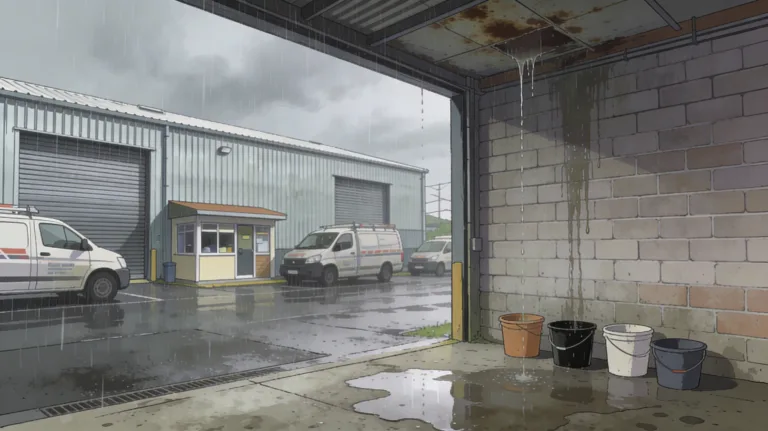
Signs Your Penrose Basement Has a Problem
Homeowners often ignore early red flags because they appear minor, but even light dampness can signal a bigger issue behind the walls. Watching for symptoms helps catch problems before they become major leaks.
Common signs include:
-
Musty odours, mould spots, or mildew on walls, skirtings, or stored items.
-
Damp patches, efflorescence (white salts), peeling paint, or bubbling coatings on concrete or blockwork.
-
Puddles on the slab, water tracking down walls, or leaks where the floor meets the wall after heavy rain.
-
Rusting steel items, swollen timber framing, or persistent condensation on cold surfaces.
If you notice any of these in a Penrose property, it is a strong indication that the basement needs more than cosmetic repairs.
Causes of Leaky Basements in Penrose
Understanding the cause is the first step to choosing the right solution; treating symptoms only leads to recurring issues. The local climate and varied soil conditions around Penrose mean basements can be exposed to both surface runoff and groundwater pressure.
Frequent causes include:
-
Poor or clogged gutters and downpipes allowing water to pool against foundation walls.
-
Inadequate surface falls around the house, causing stormwater to track toward the basement.
-
Cracks in concrete walls or floors from settlement or lateral soil pressure, providing direct paths for water.
-
Missing or failed external tanking membranes and lack of subsoil drainage on below‑ground walls.
-
High water table or seasonal groundwater rises, creating constant hydrostatic pressure.
Because several of these can occur at once, a thorough assessment is essential before deciding whether internal, external, or combined systems are needed.
Proven Basement Waterproofing Solutions
Modern waterproofing goes beyond a single product; it is a system combining drainage, preparation, and correctly detailed membranes. The right approach depends on whether the basement is new or existing, the amount of water pressure, and how the space will be used.
Key solutions used in Auckland include:
-
External tanking membranes: Sheet or liquid systems applied to the outside of basement walls and underslabs, forming a continuous barrier against soil moisture and groundwater.
-
Subsoil drainage: Perforated drains, filter cloth, and free‑draining aggregate to relieve pressure and carry water away from the structure, often alongside external membranes.
-
Crack repairs: Epoxy or polyurethane injection into foundation cracks and joints to stop water paths before installing any surface coatings.
-
Internal membranes and cavity systems: Vapour‑tight epoxy or other coatings, and cavity drain membranes that safely channel moisture to a drain or sump where external work is not possible.
-
Sump pumps and internal drainage channels: Used where water ingress is ongoing or the water table is high, automatically discharging collected water away from the building.
Correct detailing at corners, pipe penetrations, joints, and floor‑wall intersections is critical; these are the most common failure points in basement waterproofing.
Why Professional Help Pays Off
Below‑ground waterproofing is one of the hardest areas for DIY because mistakes often stay hidden until the next big storm or winter season. Once a basement is backfilled and finished, fixing failures can mean excavation, demolition of interior linings, and significant cost.
Engaging a specialist familiar with Auckland and Penrose conditions ensures proper diagnosis, product selection, and installation to match local council expectations and building standards. A professionally designed system not only keeps your basement dry but also protects your investment by improving liveability, resale appeal, and long‑term durability of the structure.