Why leaky basements are so common in Auckland
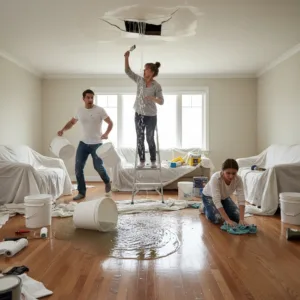
Auckland basements sit in a tough environment: high annual rainfall, coastal humidity and a lot of homes built on sloping sections or in low-lying areas. When soil around the foundation gets saturated, water pushes against basement walls and floors, creating hydrostatic pressure that looks for the smallest weakness to get inside.
On top of that, many older homes were built with minimal or outdated waterproofing, so basements in suburbs like Mt Eden, Epsom and other established areas are now showing damp and leak issues as the buildings age. Recent extreme rain events in Auckland have also exposed weaknesses even in some newer, consented basements that were never really designed for “once-in-100-year” storms.
Early warning signs in your basement
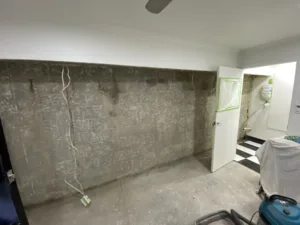
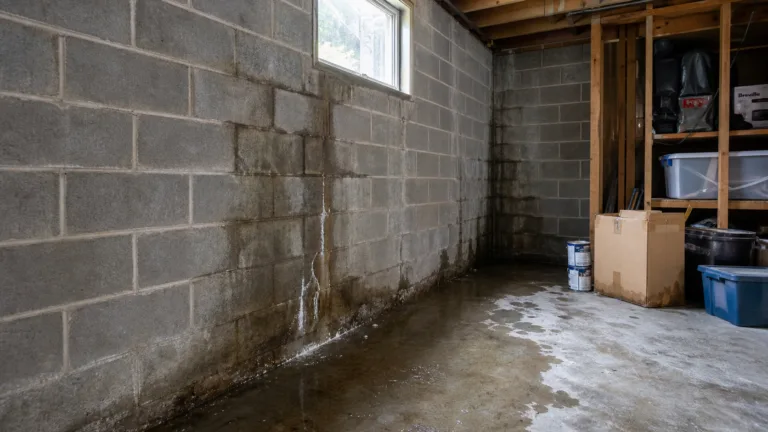
Leaky basements rarely start with ankle‑deep water – the early symptoms are much more subtle. Homeowners often notice a musty, earthy smell, patches of damp on walls, or paint that starts to bubble and peel, especially after heavy rain. Efflorescence, that white, chalky residue on concrete or block walls, is another classic sign that moisture is constantly moving through the surface.
Left alone, those small signs can turn into visible mould, rust on metal fixtures, lifting vinyl or carpet and even warped skirting boards as moisture builds up in the basement. Beyond comfort and health, persistent leaks can lead to damaged belongings, failed finishes and, in the worst cases, long‑term structural problems.
What actually causes a leaky basement?
Water almost never enters a basement for one reason alone; it is usually a combination of site, structure and drainage. Common culprits in Auckland include poor exterior drainage and grading, where rainwater flows toward the house and pools at the base of basement walls rather than being diverted away. Blocked or undersized gutters and downpipes add to the problem by dumping water directly around the foundation during storms.
Over time, hydrostatic pressure and natural movement can cause cracks in concrete walls or floor slabs, as well as leaks at wall–floor joints and construction joints. If the original waterproofing is missing, damaged or incorrectly installed, those cracks and joints become the easiest path for water to find its way into the basement.
Why paint-on “quick fixes” are not enough
It is tempting to roll on a waterproof paint or sealant over a damp wall and hope for the best, but interior coatings alone rarely solve the underlying issue. Without addressing drainage, hydrostatic pressure and structural cracks, water still builds up behind the wall – eventually forcing its way through somewhere else or pushing the coating off.
A durable result usually needs a system approach: managing water outside the structure, relieving pressure at the wall and floor, and sealing the actual leak paths with the right materials. That might mean combining exterior membranes, drainage channels, sump pumps and targeted crack injections rather than relying on a single product.
How A Plus Group NZ fixes leaky basements
At A Plus Group NZ, we focus on basement waterproofing systems that are designed specifically for Auckland’s climate and soil conditions. The process starts with a detailed inspection to identify where water is getting in, how it is moving around your site and what existing waterproofing or drainage is already in place.
From there, we recommend a tailored solution that may include crack sealing with epoxy or polyurethane injection, interior or exterior membranes, upgraded drainage, sump pump installations and ongoing maintenance plans. The goal is always the same: stop current leaks, reduce future risk and give you a dry, usable basement space – whether it is storage, garaging or extra living area.
When to take action
If you notice musty odours, damp marks, white residue or paint starting to blister on your basement walls, it is the right time to act – not when water is already running across the floor. Early intervention is almost always more cost‑effective than waiting until moisture has damaged finishes, framing and stored belongings.
A professional assessment can quickly confirm whether you are dealing with condensation, minor seepage or a more serious leak related to drainage or structure, and outline clear options to fix it before the next big Auckland downpour.