Does Basement Waterproofing Add Value to Your Auckland Property?
Basement waterproofing can absolutely add value to an Auckland property by protecting the structure, preventing damp issues that scare off buyers, and unlocking usable, healthy space buyers are willing to pay more for.
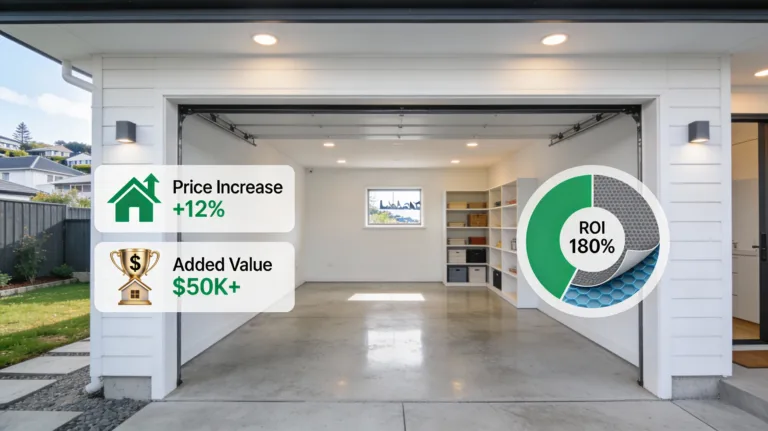
For many Auckland homeowners, basement waterproofing feels like a “grudge spend” – money poured into an area people rarely see. Yet when you look at how buyers think, and how valuers assess risk, a dry basement becomes a genuine asset. In a city with frequent rain, high humidity, and many older homes, a well‑protected basement can set your property apart in a crowded market.
1. Protection From Damage (And Scary Building Reports)
When moisture gets into a basement, it can affect far more than just appearance. It can attack foundations, retaining walls, floor slabs and embedded steel, gradually weakening the structure. Building inspectors and buyers are alert to these risks, and any sign of damp, staining, efflorescence, mould, or musty odours is a red flag that can drag your price down quickly.
By installing a proper waterproofing system, you are:
-
Reducing the chance of foundation movement, cracking and spalling concrete.
-
Avoiding ongoing remedial costs for repainting, plaster repairs, and floor coverings ruined by moisture.
-
Presenting a clean, dry basement that passes building inspections with fewer question marks.
Properties with obvious moisture issues can lose a significant chunk of their market value, while those with dry, well‑maintained basements avoid those “discount conversations” during negotiation.
2. Turning Dead Space Into Usable Floor Area
Buyers pay for usable space, not just theoretical square metres on a title. A damp basement is usually treated as “storage only” and often mentally written off by buyers, especially families looking for more living area. Once properly waterproofed, that same space can be marketed as a:
-
Media room, home office, or extra bedroom (where code allows).
-
Gym, hobby room, kids’ play area, or guest suite.
Overseas data shows that homes with waterproofed, usable basements can sell for noticeably more than similar properties with wet, unusable spaces, sometimes in the range of 10–20% additional value depending on the market and project scope. While exact numbers in Auckland vary by suburb and property type, the principle is the same: buyers are willing to pay a premium for extra dry, functional space they can immediately use.
3. Health, Mould, and Buyer Confidence
A damp basement is one of the fastest ways to create mould, musty odours and poor indoor air quality throughout a home. In New Zealand, where healthy homes and moisture control are discussed more than ever, buyers are far more sensitive to anything that could affect health or comfort.
Professional basement waterproofing helps to:
-
Reduce mould and mildew growth by removing the moisture source.
-
Improve air quality by limiting damp air moving up into living areas.
-
Show buyers that the current owner has taken long‑term maintenance seriously, not just “painted over the problem”.
That visible commitment to maintenance builds trust during open homes and helps keep offers closer to asking price instead of giving buyers reasons to discount for “future issues”.
4. Energy Efficiency and Ongoing Running Costs
Basement waterproofing is not just about keeping bulk water out; it often involves sealing cracks, installing membranes and improving drainage, which can also help with insulation and drafts. By reducing moisture and uncontrolled air movement, your home can:
-
Feel warmer and drier in winter, with fewer cold drafts from below.
-
Stay cooler and less humid in summer, especially in heavy Auckland humidity.
Lower heating and cooling demands translate into reduced energy bills – something energy‑conscious buyers appreciate and may factor into what they are prepared to pay.
5. Return on Investment: Is It Worth It Before Selling?
Like any renovation, basement waterproofing is an investment, and the value you get back depends on your starting point, the scale of work, and your local property market. International case studies and industry data suggest that:
-
Waterproofing can help avoid value losses that occur when buyers see damp issues, sometimes protecting 10–25% of the property’s potential value by removing a major negative.
-
In some markets, a well‑executed waterproofing project combined with creating usable space can deliver a strong return on investment by lifting the sale price and speeding up time on market.
In an Auckland context – with frequent rain, clay soils, and many homes built with basements, garages or storage rooms below grade – buyers expect moisture to be managed properly. If your property is competing with similar homes that already have dry, tidy basements, waterproofing can be the difference between buyers seeing your place as a risk, or as “move‑in ready”.
6. When Does Basement Waterproofing Make the Most Sense?
Basement waterproofing tends to add the most value when:
-
There are visible signs of damp, staining, or minor leaks that would appear in a pre‑purchase building report.
-
You plan to finish or renovate the basement into living space and want to protect that investment.
-
You’re preparing to sell in a competitive market where buyers can easily compare your home with dry, upgraded properties.
In these scenarios, the cost of proper waterproofing is often outweighed by:
-
A higher sale price than you would have achieved with moisture problems left untreated.
-
Fewer buyer objections and re‑negotiations after building inspections.
For homeowners intending to stay long‑term, the financial benefits compound through avoided repairs, improved comfort and the freedom to turn the basement into a truly valuable part of the home.