What is Torch-On Waterproofing
What is torch-on waterproofing?
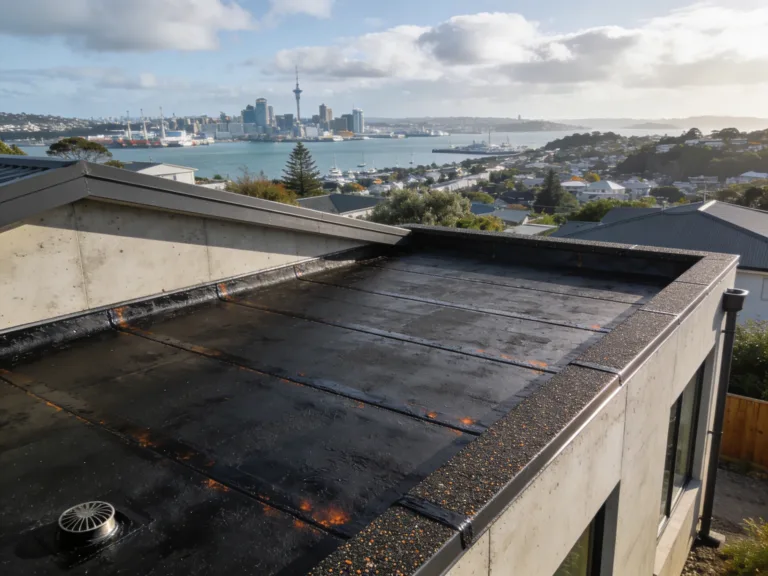
Torch-on waterproofing is a sheet membrane system made from bitumen (a petroleum-based waterproofing compound) reinforced with polyester or fibreglass and supplied in rolls, usually 1 m wide. During installation, the installer uses an LPG torch to heat the underside of the membrane so the bitumen softens and bonds to the prepared substrate, creating a continuous, watertight layer.
Because it is fully bonded and relatively thick compared with paint-on coatings, torch-on is widely regarded as one of the more robust membrane options for flat and low-slope roofs, concrete decks, internal gutters and planter boxes. The system can be installed as a single layer or as a multi-layer build-up, sometimes finished with a mineral chip cap sheet for extra UV protection and durability.
Where torch-on works best
Torch-on membranes are especially suited to flat or very low-slope areas where traditional metal or tile roofing struggles to manage ponding water. Typical applications include:
-
Flat and low-slope roofs on homes, units, and commercial buildings.
-
Exposed concrete decks and balconies, including over living spaces.
-
Internal box gutters and rainwater sumps where reliable waterproofing is essential.
-
Planter boxes, podium areas and some below-ground elements, provided the design and detailing are correct.
Torch-on is generally reserved for substrates that can safely cope with the heat of a blowtorch, such as concrete or appropriate fibre-cement and plywood systems; it is not suitable directly over flammable surfaces or insulation unless the system is specifically designed for that. A professional installer will assess the substrate, falls and building use before recommending torch-on or an alternative system.
Key benefits for Auckland homes and buildings
Auckland’s mix of heavy rain, high UV and coastal exposure makes high-quality membrane waterproofing critical. Torch-on offers several advantages in this environment:
-
Excellent waterproofing performance: The fully bonded bituminous layer provides a robust barrier against standing water, wind-driven rain and capillary action.
-
Long service life: When correctly designed, installed and maintained, torch-on systems can provide many years of reliable protection, often outlasting thinner paint-on coatings.
-
UV and weather resistance: Mineral chip or reflective top layers help the membrane cope with intense sun and temperature changes, reducing degradation.
-
Flexibility and crack-bridging: Reinforced bitumen layers can accommodate limited building movement and minor substrate cracking, helping prevent leaks.
-
Versatility: Torch-on can be detailed around outlets, parapets, balustrade posts and penetrations, making it suitable for complex roof and deck designs.
For many flat roofs and decks in Auckland, torch-on is a strong candidate when durability and long-term performance are priorities, particularly over concrete slabs and well-designed plywood substrates.
How professional torch-on installation works
Successful torch-on waterproofing is as much about preparation and detailing as it is about the membrane itself. A typical professional process includes:
-
Inspection and assessment
The installer checks the existing roof or deck for structural condition, falls, ponding, cracks, previous coatings and compatibility with torch-on. They also assess outlets, overflows and access to ensure the design will comply with New Zealand Building Code requirements and good practice for membrane roofs and decks. -
Substrate preparation
The surface must be dry, clean, smooth and sound. This may involve grinding high spots, repairing cracks, replacing damaged plywood, removing old coatings and ensuring correct falls to outlets (for example, minimum fall requirements for roofs and decks set out in guidance and substrate checklists). Poorly prepared or damp substrates are a common cause of debonding, blisters and premature failure. -
Priming
A compatible bituminous primer is applied to improve adhesion between the substrate and the membrane. The primer must be allowed to dry properly before the membrane goes down, otherwise adhesion problems and trapped moisture can occur. -
Membrane application
The installer rolls out the membrane, aligns it, then uses an LPG torch to heat the underside as the sheet is carefully rolled into place. Laps between sheets are heated and pressed firmly to achieve a full bleed-out of bitumen, creating a continuous watertight layer with no cold joints. On higher-spec systems, a base sheet may be followed by a mineral chip cap sheet for extra durability and UV resistance. -
Detailing and terminations
Critical areas such as internal and external corners, parapets, posts, sumps and overflows receive additional strengthening layers and careful torching. Outlets and overflows must be membrane-compatible and often require clamped grates to ensure long-term performance. -
Inspection and quality checks
Once the membrane is installed, the contractor inspects all seams, laps and details for voids, fish-mouths and incomplete bonding. Any defects are corrected immediately to avoid leaks once the area is covered or finished. A reputable installer also provides documentation and a workmanship warranty.
Because the method involves open flame, torch-on should always be installed by trained professionals using appropriate safety procedures and fire watch.
Common issues with torch-on – and how we prevent them
Like any membrane, torch-on can fail if it is poorly designed, specified or installed. Typical issues include:
-
Debonding and blisters: Often caused by trapped moisture, damp substrates, insufficient priming or incorrect torching technique.
-
Cracking and splits at movement joints or changes in direction when detailing is inadequate.
-
Ponding water due to insufficient falls or poorly placed outlets and overflows.
-
Premature ageing if the membrane is under-specified for the UV exposure or not maintained.
A Plus Waterproofing addresses these risks through thorough substrate checks, attention to falls and drainage, use of appropriate primers and membranes, and following manufacturer guidelines and industry codes of practice. For remedial projects, the team investigates the root cause of existing leaks first, rather than simply overlaying new membrane on a failing system.
Compliance and New Zealand requirements
External membranes for roofs and decks in New Zealand must comply with clause E2 External Moisture of the Building Code. Some membrane types (for example butyl and EPDM on plywood with specific falls) sit within E2/AS1’s scope as Acceptable Solutions, while other systems including many torch-on products fall outside that scope and rely on alternative solutions, BRANZ appraisals, or specific design.
Designers and installers must consider:
-
Building height, use and construction (for example, NZS 3604 timber-framed buildings up to three storeys).
-
Minimum falls for roofs, decks and internal gutters, and ensuring substrates are built to those falls.
-
Substrate type and thickness, ventilation of insulated cavities, and compatibility of outlets, overflows and flashings.
Working with an experienced Auckland installer who understands both the technical side of torch-on and the regulatory environment helps ensure your project is not only watertight but also code-compliant.
Why choose A Plus Waterproofing for torch-on?
A Plus Waterproofing (A Plus Group) is an Auckland-based specialist focusing on membrane waterproofing for basements, garages, roofs, decks and gutters. The team is experienced with a range of systems, including torch-on membranes for flat roofs and decks where durability and long-term performance are important.
When you work with A Plus Waterproofing, you get:
-
Site-specific advice on whether torch-on is the right solution for your roof, deck, gutter or planter.
-
Professional preparation and installation by specialists who follow manufacturer guidance and New Zealand best practice for membrane work.
-
Integration with other waterproofing tasks, such as basement or garage solutions, so the whole property is considered as a system.
-
Clear communication, photos and documentation, plus a workmanship warranty for peace of mind.
If you are planning a new flat roof or deck, or dealing with persistent leaks in an existing membrane, torch-on waterproofing installed by a specialist Auckland team can be a smart long-term investment in your property.