Turning Your Basement into Dry, Liveable Space in Auckland
In Auckland, basements are an under-used asset in many homes, often written off as damp storage rooms or problem areas that always seem to smell musty. With the right waterproofing and thoughtful planning, that same space can become a warm guest bedroom, a media room, home office, or even a self-contained flat that adds real value to your property.
What makes Auckland basements tricky is not the renovation itself, but the moisture. Our subtropical climate, heavy rainfall (often 1,100–1,500 mm a year), higher water tables, and reactive clay soils all push water towards anything built below ground level. That means waterproofing is not a “nice to have” add-on at the end; it is the foundation of every successful basement reno.
Why Waterproofing Comes Before Renovation
When you plan a basement renovation, it is tempting to start with the fun parts: flooring, a new bathroom, or a media wall. But if you build over leaks, rising damp, or poor drainage, you are setting yourself up for swollen skirting boards, mouldy plasterboard, and expensive remedial work just a few winters down the track.
Basement walls and floors sit directly against soil, so they face constant hydrostatic pressure from groundwater. Even tiny defects in concrete, joints, or old membranes can let water slowly seep in, leading to:
-
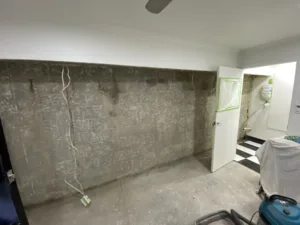
Persistent damp patches or “tide marks” on walls and floors
-
Musty odours and mould growth behind linings or in wardrobes
-
Peeling paint, rusting steel, and timber decay
-
Insulation losing its performance because it is wet
The New Zealand Building Code (especially Clause E2 – External Moisture) requires that any building elements in contact with the ground are protected against moisture so they do not cause dampness or damage. In practice, that means your renovation plan should always start with:
-
Identifying where water and moisture are coming from
-
Designing a waterproofing system that manages both liquid water and vapour
-
Making sure the solution matches the site, structure, and future use of the space
Done properly, waterproofing turns your basement from a risk zone into a dry, healthy part of the house you can confidently invest in.
The Main Types of Basement Waterproofing
There is no single “best” waterproofing product. Instead, a good system layers methods that work together: membranes, drainage, and good detailing around penetrations and joints. Some of the most common approaches used in Auckland basements include:
-
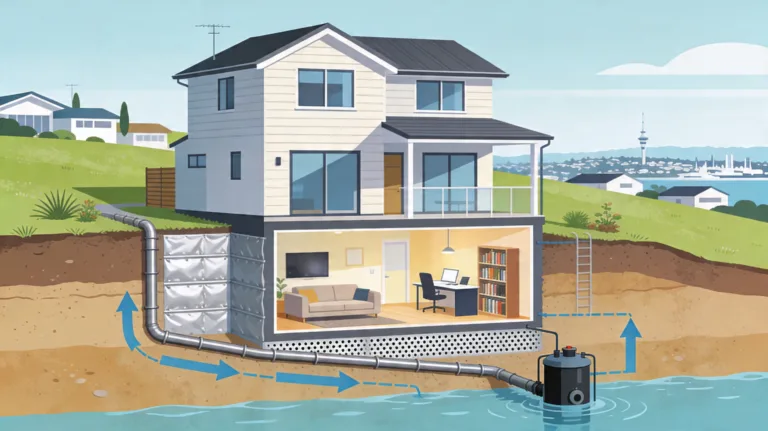
Exterior waterproofing and tanking: This usually involves excavating around the outside of the basement walls, preparing the concrete, and installing robust sheet membranes like Bituthene or other tanking systems, often combined with drainage metal and slotted drainpipes to carry water away. It is the gold standard for new builds or major renovations because it stops water before it ever reaches the wall.
-
Liquid-applied membranes: Products like two-part epoxy or other liquid systems can be applied to concrete surfaces to form a seamless waterproof layer, useful on complex details, floors, and walls where sheet membranes are harder to detail.
-
Cementitious coatings and negative-side systems: These are specialised coatings applied to the inside face of concrete or block walls to resist water trying to push through from the outside. They are often used in retrofits when exterior excavation is not practical.
-
Drainage and sump systems: Even the best membrane benefits from good drainage. Clean drainage metal, slotted pipes, perimeter channels, and sump pumps work together to relieve pressure and move water away from the structure.
An experienced waterproofing contractor will mix and match these methods depending on whether your project is a new build, a major dig-out, or a retrofit of an existing basement.
The Basement Renovation Journey: From Damp to Dream Space
A typical Auckland basement renovation runs through several key stages. Understanding the process helps you plan budget, timeframes, and when different trades (builders, waterproofers, electricians, plumbers) need to be involved.
-
Professional assessment
Before drawing up a floor plan, it pays to have the basement inspected by a waterproofing specialist. They will look for cracks, signs of previous leakage, signs of high water table, and issues with external drainage. This step often includes checking gutters, downpipes, and adjacent ground levels outside. -
Design and consent
If you are turning the basement into habitable space, you will usually need building consent, especially where structure, plumbing, or egress (windows/doors) is changing. Your designer or architect will integrate the chosen waterproofing system into the consented plans so the council can see how moisture is being managed. -
Waterproofing and drainage works
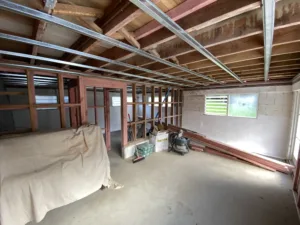
Waterproofing is installed before interior linings, flooring, and finishes. Exterior tanking might mean excavation, membrane installation, and drainage pipework; interior systems could include liquid membranes, negative-side coatings, or cavity drain systems paired with sump pumps. This stage is where experience really matters, particularly at tricky junctions like floor–wall joints, penetrations, and retaining wall transitions. -
Framing, insulation, and services
Once the space is dry and protected, you can install framing, insulation, wiring, and plumbing. Correct detailing here (like keeping timber off the slab, using appropriate vapour control layers, and allowing for inspection points around waterproofing elements) helps the system keep performing long-term. -
Finishes and fit‑out
Finally, flooring, wall linings, joinery, and fixtures go in. With a solid waterproofing base, you can confidently invest in carpets, timber, or built-in joinery without worrying they will be ruined by the first big Auckland storm.
What It Costs – and Why Cutting Corners Backfires
Basement conversions are a serious investment, with full fit‑outs in Auckland often running into six figures depending on size, finishes, and structural changes. Within that budget, waterproofing and drainage typically represent a relatively small percentage, but it is the part that protects all the other money you spend.
Indicatively, specialist liquid or sheet membrane systems are often priced per square metre, and external excavation, drainage, and pump installations sit on top of that. While DIY paint-on “damp sealers” might look cheaper upfront, they rarely address hydrostatic pressure, external sources of water, or structural cracks properly. When they fail, you not only redo waterproofing, but you also pay again for damaged flooring, linings, and sometimes structural repairs.
Viewed over 15–30 years, a professionally designed system installed by qualified waterproofers is usually the most cost-effective path. You get a dry, liveable space, better indoor air quality, and improved resale value, with far less risk of surprise repairs.
Keeping Your Renovated Basement Dry Long-Term
Even the best waterproofing system benefits from basic maintenance. The good news is that most of it is simple and can be built into your seasonal home-care routine.
Key habits include:
-
Clearing basement drains, sumps, and window wells of leaves, silt, and debris at least once or twice a year, especially before and after the wetter months.
-
Testing any sump pumps by pouring water into the pit and making sure they switch on promptly and discharge water properly.
-
Keeping gutters and downpipes clean, and making sure downpipes discharge water well away from the foundation rather than beside basement walls.
-
Watching for early warning signs such as new damp patches, salts/efflorescence on walls, or musty smells, and calling a specialist early if something changes.
Taking these steps means your waterproofing system can keep doing its job quietly in the background, while you enjoy your basement as a true extension of your home.
Why Work with A Plus Waterproofing in Auckland
Basement waterproofing is one area where experience truly counts. A Plus Waterproofing specialises in leaky basements, with services that range from targeted crack injection repairs through to full waterproofing systems designed for Auckland’s conditions. Their team carries out thorough inspections to find the root cause of leaks, rather than just treating the visible symptoms, and then recommends solutions tailored to each property rather than a one-size-fits-all product.
Whether you are planning a full basement conversion or just want to stop recurring damp and make the space usable, partnering with a dedicated waterproofing specialist helps you get it right the first time. That means a dry, comfortable basement, protection for your investment, and a healthier home for the long term.